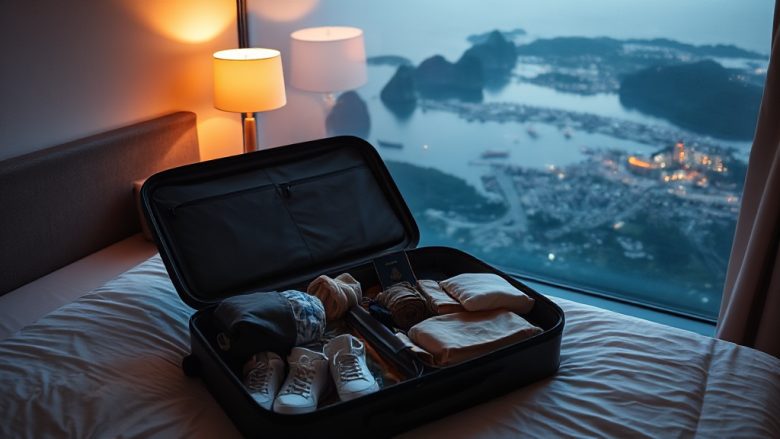
It’s 10 p.m. the night before your flight. Your suitcase is open on the bed, half-full and entirely chaotic. You’ve packed three pairs of shoes you’ll never wear, a jumper for weather you haven’t checked, and somehow no phone charger. We’ve all been there. After years of working flights and living out of a carry-on, I can promise you this: packing doesn’t have to be a last-minute panic. The expert advice on travel packing that follows is the same system I used for years of crew life, and it works whether you’re gone for a weekend or a month.
The secret isn’t a longer packing list. It’s a repeatable system built on three things: layering, a capsule wardrobe, and a handful of space-saving techniques. Get those right and you’ll close the lid early, sleep properly, and arrive somewhere with everything you actually need.
The Core Principles of Packing Like a Pro
Before you fold a single shirt, understand what you’re actually solving for. Most people pack for every possible scenario. Pros pack for the trip they’re actually taking. That single mindset shift removes about half the weight from your bag.
Start with the weather and the purpose. Check the forecast for your destination, not the one at home. If you’re going somewhere with four seasons in one day, layering beats bulk. If you’re heading to a beach, you need far less than you think. Write down the activities you’ll genuinely do, then pack only for those. A wedding, two dinners, and a lot of walking is a very different list from a hiking trip, and trying to cover both in one bag is how suitcases get heavy.
The second principle is the one-third rule. Lay out everything you intend to pack, then put roughly a third of it back. That sounds brutal, but it’s the fastest way to break the just-in-case habit. You will not wear the fourth pair of trousers. You will not read three books. The third principle is to let your bag do the work. Choose a bag that fits the airline’s cabin limits before you start, so you’re never repacking at the gate. Once the container is fixed, your packing list has a natural ceiling.
Finally, pack in reverse order of use. Things you’ll need first, like a charger, a light layer, or medication, go on top or in an outside pocket. Everything else can be buried. This one habit saves you from emptying an entire suitcase in a hotel lobby.
Build a Capsule Wardrobe That Works Anywhere
A capsule wardrobe is the backbone of smart packing. The idea is simple: a small set of clothes where almost everything matches almost everything else. Pick a base colour, then a couple of accents, and stick to it. If your trousers, tops, and outer layer all work together, you can create far more outfits from fewer pieces.
For a week-long trip, aim for something like five tops, two pairs of trousers, one skirt or dress if it suits the trip, one warm mid-layer, one waterproof outer layer, and two pairs of shoes you can walk in all day. That’s genuinely enough. The trick is choosing fabrics that resist creasing and dry overnight. Merino wool, technical blends, and good cotton mixes beat stiff formal fabrics every time. They also handle being rolled and squashed without looking like you slept in them.
Colour discipline matters more than quantity. A navy, grey, or black base means you can add a single bright shirt or scarf for variety and it still all works. Accessories are your cheapest way to change an outfit: a scarf, a belt, or a simple necklace transforms the same trousers and top into something that looks deliberate.
Don’t forget the boring essentials that make the capsule function. A lightweight laundry bag lets you separate dirty clothes without mixing them into clean ones. A small sewing kit and a stain remover pen have rescued more outfits than any spare jumper ever has. And if you’re travelling for more than a week, plan to do laundry once. It’s the single biggest reason people overpack, and once you accept it, your bag shrinks dramatically.
Packing Techniques That Save Space
How you pack matters as much as what you pack. The goal is to fill every gap, protect fragile items, and keep wrinkles to a minimum. Here’s the method I use, and it works for both soft bags and hard cases.
Start with the heaviest items at the bottom, closest to the wheels. Shoes, boots, and toiletry bags go down there because they anchor the bag and keep it stable when you’re dragging it through an airport. Fill the hollow insides of shoes with socks, chargers, or small items. That’s free space you’re otherwise wasting.
Next, roll your soft clothing. Rolling compresses fabric, reduces creases, and lets you pack items tightly side by side. T-shirts, leggings, and knitwear roll beautifully. For anything structured, like a blazer or a collared shirt, use the bundle method: lay it flat, fold the sleeves inward, and wrap it around a soft core like a rolled towel or a few rolled shirts. It sounds fussy, but it genuinely keeps shoulders and collars in shape.
Use packing cubes if they help you, but don’t treat them as magic. They’re best for separating categories, not for squeezing in more. A cube for tops, one for bottoms, and one for small items makes unpacking at a hotel quick and keeps your bag organised. Compression bags work well for bulky items like fleeces, but be careful with anything delicate.
Finally, wear your bulkiest items on travel days. A coat, boots, and a heavy jumper take up huge amounts of space in a bag and almost none on your body. It’s the oldest trick in the book, and it still works.
Troubleshooting Common Packing Mistakes
Even with a good system, things can go wrong. Here are the mistakes I see most often, and how to fix them before they cost you.
The first is overpacking toiletries. Liquids are heavy, leak, and take up space you could use for clothes. Decant what you need into small reusable bottles, and check whether your accommodation provides basics like shampoo and hairdryers. If it does, leave yours at home. Always put liquids in a sealed bag, and put that bag somewhere it can’t soak your clothes if it leaks.
The second is packing for a fantasy version of yourself. You will not suddenly start wearing the heels, the gym kit, or the formal shirt you packed just in case. Pack for who you are on an average day, not who you’d like to be. Be honest, and your bag gets lighter.
The third is leaving essentials until last. Passport, medication, chargers, and adapters should go in first, in a place you can reach without unpacking. If your bag goes missing or you’re delayed, those are the things you’ll want immediately. Keep a small pouch for them and never bury it.
The fourth is forgetting the return journey. If you plan to buy anything, leave a little empty space or pack a foldable tote. Coming home with a full bag and no room for gifts is a problem you can solve before you leave.
And the fifth is treating the packing list as sacred. A list is a starting point, not a contract. If you’re going somewhere warm, cut the layers. If you’re going somewhere formal, add one good outfit and keep everything else simple. The system should flex with the trip, not the other way around.
Final Thoughts
Good packing isn’t about owning clever gear or memorising a hundred rules. It’s about deciding what kind of trip you’re taking, building a small wardrobe that works together, and using a few techniques to make the space count. Do that, and the night before your flight stops being a scramble. You close the bag, set the alarm, and actually get some sleep. That’s the real payoff of expert advice on travel packing: less stress at the start, and a lighter, easier trip from the moment you leave the house.